
Traditional Vietnamese Dishes You Must Try
- howang myeonggoon
- Sep 22, 2025
- 4 min read

Vietnamese cuisine is a vibrant tapestry of flavors, colors, and textures that reflect the country’s rich history and diverse culture. From fragrant herbs to fresh vegetables and savory broths, the food offers a unique culinary experience that delights the senses. Whether you are a seasoned foodie or a curious traveler, exploring classic Vietnamese recipes will introduce you to some of the most delicious and authentic dishes in the world.
Vietnamese food is known for its balance of sweet, sour, salty, bitter, and umami tastes. It emphasizes freshness, simplicity, and harmony in every bite. In this article, you will discover some iconic dishes that showcase the best of Vietnam’s culinary heritage. You will also learn about the essential elements that make Vietnamese cooking so special.
Exploring Classic Vietnamese Recipes: A Culinary Journey
Classic Vietnamese recipes are a treasure trove of flavors that have been passed down through generations. These dishes often use local ingredients such as rice, fish sauce, herbs, and spices to create meals that are both healthy and satisfying. Here are some must-try dishes that represent the heart of Vietnamese cuisine:
Phở: This famous noodle soup is a national symbol of Vietnam. It features a clear, aromatic broth made from beef or chicken bones, rice noodles, and thinly sliced meat. Fresh herbs, lime, and chili add brightness and heat to the dish.
Bánh mì: A delicious fusion of French and Vietnamese influences, bánh mì is a crispy baguette sandwich filled with savory ingredients like grilled pork, pate, pickled vegetables, and fresh cilantro.
Gỏi cuốn: Also known as fresh spring rolls, these translucent rolls are packed with shrimp, pork, vermicelli noodles, and herbs. They are served with a flavorful peanut or hoisin dipping sauce.
Bún chả: A Hanoi specialty, bún chả consists of grilled pork patties and slices served over vermicelli noodles with fresh herbs and a tangy dipping sauce.
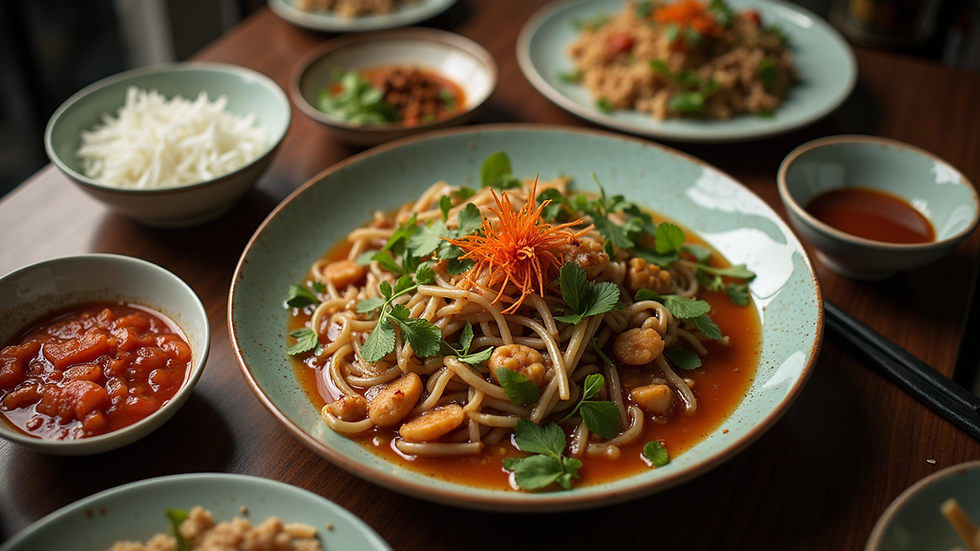
Cao lầu: A regional dish from Hội An, cao lầu features thick rice noodles, pork slices, fresh greens, and crispy croutons, all tossed in a savory broth.
These dishes highlight the diversity and creativity of Vietnamese cooking. Each one offers a unique taste experience that reflects the local culture and ingredients.

Essential Ingredients in Classic Vietnamese Recipes
Understanding the key ingredients used in classic Vietnamese recipes can help you appreciate the cuisine even more. These components are the foundation of many dishes and contribute to their distinctive flavors:
Fish sauce (nước mắm): A staple condiment made from fermented fish, it adds depth and umami to soups, marinades, and dipping sauces.
Rice: Whether in the form of noodles, paper, or grains, rice is central to Vietnamese meals.
Fresh herbs: Basil, mint, cilantro, and perilla leaves are commonly used to add freshness and aroma.
Lemongrass: This fragrant stalk is often used in marinades and broths for its citrusy flavor.
Chilies: Fresh or dried, chilies provide heat and balance to many dishes.
Pickled vegetables: Carrots, daikon, and cucumbers are frequently pickled to add a tangy crunch.
By combining these ingredients thoughtfully, Vietnamese cooks create dishes that are light yet flavorful, healthy yet indulgent.

What are the 5 elements of Vietnamese cuisine?
Vietnamese cuisine is deeply influenced by the philosophy of balance and harmony, which is reflected in its five fundamental elements. These elements guide the preparation and presentation of food to ensure a well-rounded sensory experience:
Sweet (Ngọt) - Often derived from natural sources like sugar, fruits, or caramelized onions, sweetness balances other flavors.
Sour (Chua) - Ingredients like lime, tamarind, and vinegar provide a refreshing tang that brightens dishes.
Salty (Mặn) - Fish sauce and soy sauce contribute the necessary saltiness and umami.
Bitter (Đắng) - Bitter herbs and vegetables add complexity and contrast.
Spicy (Cay) - Chilies and pepper bring heat and excitement to the palate.
These five elements are carefully combined in every meal to create a harmonious and satisfying taste profile. This balance is a hallmark of Vietnamese cooking and is evident in both street food and fine dining.
How to Enjoy Traditional Vietnamese Dishes at Home
Trying traditional Vietnamese dishes at home can be a rewarding experience. Here are some practical tips to help you recreate these flavors in your kitchen:
Start with simple recipes: Begin with dishes like phở or gỏi cuốn that require fewer ingredients and straightforward techniques.
Use fresh ingredients: Visit Asian markets or specialty stores to find authentic herbs, fish sauce, and rice noodles.
Prepare broths slowly: For soups like phở, simmer bones and spices for several hours to develop rich flavors.
Balance flavors: Taste as you cook and adjust seasoning with lime, fish sauce, sugar, and chili to achieve the perfect harmony.
Serve with fresh herbs and condiments: Vietnamese meals are often accompanied by fresh herbs, lime wedges, and dipping sauces to customize each bite.
By following these steps, you can enjoy the vibrant tastes of Vietnam without leaving your home.
Discover More About Traditional Vietnamese Dishes
Vietnamese cuisine offers endless opportunities to explore new tastes and cooking styles. Whether you prefer hearty soups, fresh rolls, or grilled meats, there is something for everyone. To deepen your understanding and appreciation, consider visiting authentic Vietnamese restaurants or attending cooking classes.
For those interested in learning more about the history and culture behind these dishes, you can explore resources like traditional vietnamese dishes. This site provides valuable insights into the origins and preparation of classic recipes.
Embracing Vietnamese food is not just about eating - it is about experiencing a culture that values balance, freshness, and community. So, take your time, savor each bite, and enjoy the journey through Vietnam’s culinary heritage.
Comments