
Discover the Vibrant Flavours of Unique Vietnamese Dishes

Vietnamese food is a celebration of fresh ingredients, bold flavours, and delicate balance. From street food stalls to elegant restaurants, the culinary landscape of Vietnam offers a rich tapestry of tastes that excite the palate. This post will take you on a journey through some of the most unique Vietnamese dishes, exploring what makes them special and how you can enjoy them.
Exploring Unique Vietnamese Dishes You Must Try
Vietnamese cuisine is known for its diversity and regional variations. Each dish tells a story of local culture, climate, and history. Here are some unique Vietnamese dishes that stand out for their distinct flavours and preparation methods:
Bánh Xèo: These are crispy, savory pancakes made from rice flour, turmeric, and coconut milk. Filled with shrimp, pork, and bean sprouts, they are folded and served with fresh herbs and a tangy dipping sauce.
Cao Lầu: A specialty from Hội An, this dish features thick rice noodles, slices of pork, fresh greens, and crispy croutons. The noodles are traditionally soaked in water from a local well, giving them a unique texture.
Bún Chả: Originating from Hanoi, this dish consists of grilled pork patties and slices served with vermicelli noodles, fresh herbs, and a sweet-sour dipping sauce.
Gỏi Cuốn: Also known as fresh spring rolls, these translucent rolls are packed with shrimp, pork, vermicelli, and herbs, served with a peanut or hoisin dipping sauce.
These dishes highlight the balance of textures and flavours that define Vietnamese cooking. The use of fresh herbs, light broths, and vibrant sauces creates a dining experience that is both healthy and satisfying.

The Art of Balancing Flavours in Unique Vietnamese Dishes
One of the secrets behind the appeal of unique Vietnamese dishes is the careful balance of five key flavours: sweet, sour, salty, bitter, and umami. This harmony is achieved through the use of ingredients like fish sauce, lime, sugar, fresh herbs, and fermented products.
Sweetness often comes from palm sugar or caramelized onions.
Sourness is introduced by lime juice, tamarind, or vinegar.
Saltiness is primarily from fish sauce, a staple in Vietnamese cooking.
Bitterness can be found in certain herbs and vegetables.
Umami is enhanced by fermented shrimp paste or soy sauce.
This balance ensures that no single flavour overwhelms the dish, making each bite complex yet harmonious. When trying unique Vietnamese dishes, pay attention to how these elements interact to create a memorable taste.
What are the 5 elements of Vietnamese food?
Understanding the five elements of Vietnamese food helps to appreciate the cuisine’s depth and complexity. These elements are:
Texture - Vietnamese dishes often combine crunchy, soft, chewy, and smooth textures to create interest.
Colour - Vibrant colours from fresh herbs, vegetables, and spices make the food visually appealing.
Aroma - Fragrant herbs like cilantro, mint, and basil add enticing scents.
Taste - The balance of sweet, sour, salty, bitter, and umami flavours.
Temperature - Hot soups, cold rolls, and room temperature salads provide contrast.
Each element plays a role in making Vietnamese food a sensory delight. For example, a bowl of pho combines hot broth, tender meat, fresh herbs, and chewy noodles, engaging multiple senses at once.
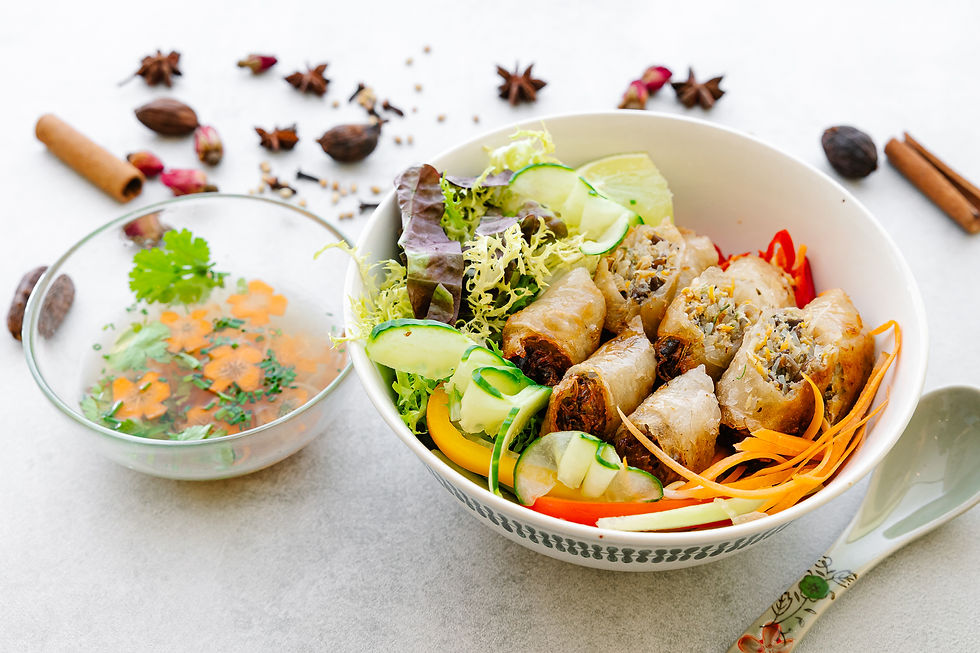
How to Enjoy Vietnamese Cuisine at Home
You don’t have to travel to Vietnam to enjoy the vibrant flavours of Vietnamese cuisine. Here are some tips to bring these unique dishes into your kitchen:
Start with fresh ingredients: Herbs like cilantro, Thai basil, and mint are essential. Also, stock up on fish sauce, rice noodles, and lime.
Master the basics: Learn to make simple dishes like fresh spring rolls or pho broth. These form the foundation for more complex recipes.
Use proper techniques: For example, grilling pork for bún chả or soaking noodles for cao lầu requires attention to detail.
Balance your flavours: Taste as you cook and adjust seasoning to achieve the right harmony.
Experiment with presentation: Vietnamese food is as much about appearance as taste. Use colorful vegetables and fresh herbs to garnish.
By following these steps, you can recreate the authentic taste of Vietnamese dishes and impress your family and friends.
The Cultural Significance of Unique Vietnamese Dishes
Food in Vietnam is more than sustenance; it is a reflection of community, tradition, and identity. Many unique Vietnamese dishes are tied to festivals, family gatherings, and regional pride.
Tết (Vietnamese New Year) features special dishes like bánh chưng (square sticky rice cake) symbolizing the earth.
Regional specialties showcase local ingredients and cooking styles, such as the spicy dishes of the Central region or the sweeter flavours of the South.
Street food culture is vibrant, with vendors serving quick, affordable meals that bring people together.
Understanding these cultural contexts enriches the experience of enjoying Vietnamese food and deepens appreciation for its diversity.
Exploring the world of unique Vietnamese dishes opens up a vibrant culinary adventure. Whether you are tasting bánh xèo for the first time or mastering the art of pho at home, the flavours and traditions of Vietnamese food offer endless delight. Dive into this rich cuisine and discover the balance, freshness, and creativity that make it truly special.
For more insights and recipes, explore vietnamese cuisine and start your flavorful journey today!
Comments