
Exploring the Rich Flavours of Vietnamese Cuisine
- howang myeonggoon
- Nov 26, 2025
- 4 min read

Vietnamese food is celebrated worldwide for its fresh ingredients, vibrant colours, and harmonious balance of flavours. This cuisine offers a unique culinary experience that combines sweet, sour, salty, bitter, and umami tastes in every dish. Whether you are a seasoned foodie or new to Asian cuisine, exploring authentic Vietnamese food will open your palate to a world of delightful sensations.
Discovering Authentic Vietnamese Food: A Journey of Taste
Authentic Vietnamese food is much more than just a meal; it is a cultural experience that reflects the country’s history, geography, and traditions. The dishes are often light, healthy, and packed with fresh herbs and vegetables. Staples like pho, banh mi, and fresh spring rolls have gained international fame, but there is so much more to explore.
Vietnamese meals typically include a variety of textures and flavours, from crispy fried spring rolls to silky rice noodles in a fragrant broth. The use of fresh herbs such as cilantro, mint, and Thai basil adds brightness and complexity. Fish sauce, a key ingredient, provides a salty depth that enhances the overall taste.
To truly enjoy authentic Vietnamese food, try to eat at local markets or family-run restaurants where recipes have been passed down through generations. These places often serve dishes that are less known internationally but equally delicious.

Pho is a classic example of authentic Vietnamese food, known for its aromatic broth and fresh ingredients.
Essential Ingredients That Define Vietnamese Food
The foundation of authentic Vietnamese food lies in its fresh and simple ingredients. Here are some essentials that you will find in most dishes:
Rice: The staple grain, used in many forms such as steamed rice, rice noodles, and rice paper.
Fresh herbs: Cilantro, mint, Thai basil, and perilla leaves add freshness and aroma.
Fish sauce (nuoc mam): A fermented condiment that provides a salty and umami flavour.
Lime and chili: These add acidity and heat, balancing the flavours.
Vegetables: Bean sprouts, lettuce, cucumber, and pickled carrots are common accompaniments.
Proteins: Pork, chicken, beef, seafood, and tofu are widely used.
Understanding these ingredients helps you appreciate the balance and harmony in each dish. For example, the tangy lime juice in a bowl of pho cuts through the richness of the broth, while fresh herbs add a burst of flavour.
What are the 5 elements of Vietnamese food?
Vietnamese food is deeply rooted in the philosophy of balance, which is reflected in the five key elements that every dish aims to incorporate:
Sweet - Often derived from sugar, caramelized onions, or natural sweetness in vegetables.
Sour - Provided by lime juice, tamarind, or vinegar, adding brightness.
Salty - Mainly from fish sauce or soy sauce, essential for depth.
Bitter - Found in certain herbs and vegetables, balancing richness.
Umami - The savory taste from fermented ingredients, broths, and meats.
These elements work together to create dishes that are complex yet harmonious. For example, a bowl of bun cha gio (grilled pork rolls with noodles) combines sweet, sour, salty, and umami in the dipping sauce, making every bite exciting.
Popular Dishes to Try for an Authentic Experience
If you want to dive into authentic Vietnamese food, here are some must-try dishes that showcase the cuisine’s diversity:
Pho: A fragrant noodle soup with beef or chicken, garnished with fresh herbs and lime.
Banh Mi: A crispy baguette sandwich filled with meats, pickled vegetables, and fresh herbs.
Goi Cuon (Fresh Spring Rolls): Rice paper rolls filled with shrimp, pork, herbs, and vermicelli, served with peanut or hoisin sauce.
Bun Cha: Grilled pork served with vermicelli noodles and a tangy dipping sauce.
Ca Kho To: Caramelized fish cooked in a clay pot, rich in flavour and texture.
Trying these dishes at authentic Vietnamese restaurants or making them at home with fresh ingredients can give you a true taste of Vietnam’s culinary heritage.
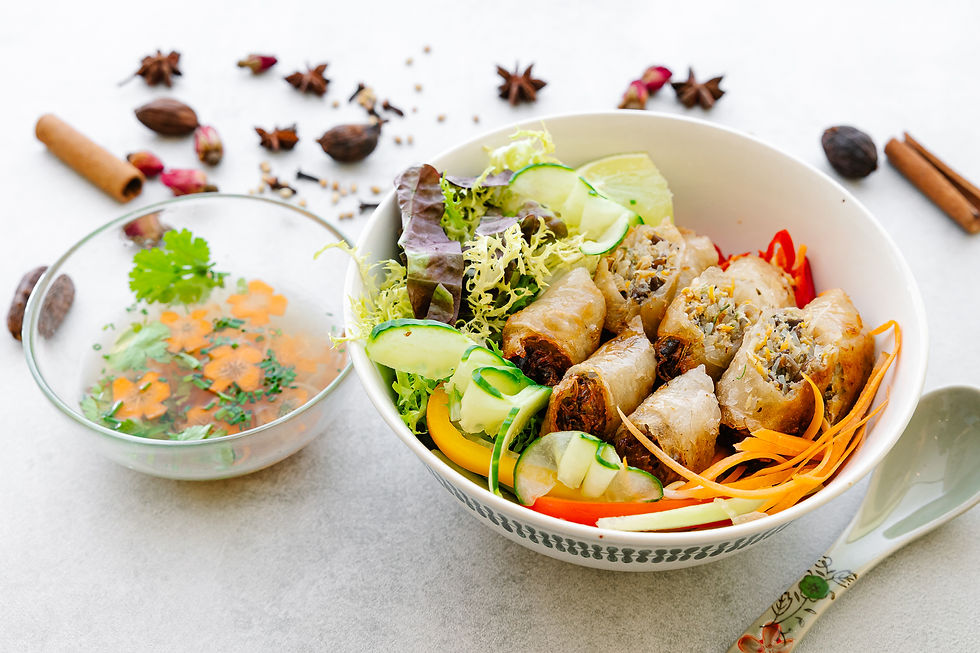
Bun cha gio is a popular food that combines French and Vietnamese culinary influences.
Tips for Enjoying Vietnamese Food at Home
Bringing the flavours of authentic Vietnamese food into your kitchen is easier than you might think. Here are some practical tips:
Use fresh herbs generously: They are key to achieving the authentic taste.
Invest in fish sauce: It is essential for seasoning and adds umami.
Balance your flavours: Taste as you cook and adjust sweetness, sourness, and saltiness.
Try simple recipes first: Pho broth or fresh spring rolls are great starting points.
Explore local Asian markets: You can find authentic ingredients like rice paper, vermicelli, and herbs.
By following these tips, you can recreate the vibrant and balanced flavours of Vietnamese food in your own home.
Embracing the Culture Through Food
Authentic Vietnamese food is not just about eating; it is about sharing and community. Meals are often enjoyed family-style, with everyone sampling different dishes. This communal aspect makes dining a warm and social experience.
Exploring vietnamese cuisine offers a window into Vietnam’s rich culture and traditions. Whether you are tasting street food in Hanoi or cooking at home, the flavours tell a story of history, geography, and people.
Enjoy the journey of discovering authentic Vietnamese food - a cuisine that delights the senses and nourishes the soul.


Comments